

Node.js

Backend

Node.js is a runtime that runs JavaScript on the server, and I use it for server-side code: REST APIs, scheduled jobs and file processing.

How I use Node.js

I write it in TypeScript, so the frontend and backend share the same language.

You get a system that handles work in the background without anyone clicking: it checks deadlines and processes data even when nobody is at the computer. Because the whole system is written in JavaScript and TypeScript, it's easier to maintain and extend.

In practice I built the Protokol Alert API in Node.js, along with automatic expiry checks that run on a schedule, and a background worker for Sve od nameštaja that handles jobs outside the main app. I also connect it to external services through their APIs.

For REST APIs I usually use Express, and when a task doesn't need a dedicated server, I go with Supabase Edge Functions or Next.js server actions.

Used in: Protokol Alert (API and automatic expiry checks), Sve od nameštaja (background worker).

Projects using Node.js

Websites and apps I built where Node.js was used.

  • Protokol Alert — Expiry Date Tracking SaaS

    Protokol Alert — Expiry Date Tracking SaaS

    My own SaaS for tracking product expiry dates in retail. A worker scans the barcode with a phone and enters the date, and the system sends alerts before expiry and shows what to return to the supplier, put on sale or take off the shelf. It consists of a worker app (PWA), an admin panel for stores, suppliers, reports and billing, a backend API with automatic expiry checks, and an Android app. Many stores and companies run in one system, and each sees only its own data. In production since 1 April 2026, tracking about 3,300 products.
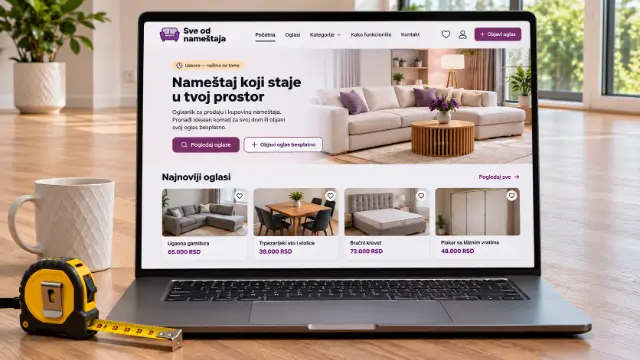

  • Sve od nameštaja — Furniture Marketplace with Search by Size

    Sve od nameštaja — Furniture Marketplace with Search by Size

    My own furniture marketplace for Serbia, being prepared for launch. The main filter is size: the buyer enters how much space they have and sees only what fits. Posting a listing takes a few steps with an automatic title, and photos are resized and stripped of GPS data before upload. For bulky items there is a transport request: carriers send quotes and the buyer picks one. It has buyer-seller messages, ratings that cannot be deleted, listing reports and a public moderation log. Buyers never pay anything, and sellers choose between a free account and plans for workshops, showrooms and carriers. The demo runs without a database, and the schema with 33 migrations is ready.

Frequently asked questions about Node.js

What is Node.js used for?

Node.js is a runtime for running JavaScript outside the browser, usually on a server. It's used for APIs, background jobs, file processing and development tools, so an entire system can be written in one language.

Is Node.js a programming language?

No, Node.js isn't a programming language; it's an environment that runs JavaScript, including TypeScript compiled to JavaScript. The language is the same as in the browser, and Node.js adds access to files, networking and the server.

Do you build backends with Node.js?

Yes, I write APIs and background jobs in Node.js. I've used it for the API and automatic expiry checks in Protokol Alert and for the background worker in Sve od nameštaja.

How much does a website or app built with Node.js cost?

It depends on the type of project: 3-in-1 SaaS Platform (Web + Android + Custom) from €7,000; Custom Web Application from €500. These are starting prices; you get the final price and timeline in a written offer by email.

All skills →